Mining
Beginner
What is
Block Reward?
The amount of cryptocurrency awarded to miners for successfully adding a new block to the blockchain.
Block rewards incentivize miners to secure the network. On Ergo, miners receive newly minted ERG plus transaction fees for each block they mine. Ergo's emission schedule started at 75 ERG per block and decreases over time, with all ERG to be mined by approximately 2045.
Key Points
- Primary miner incentive
- Ergo started at 75 ERG/block
- Decreases according to emission schedule
- Transaction fees supplement rewards
- Storage rent adds additional income
- All ERG mined by ~2045
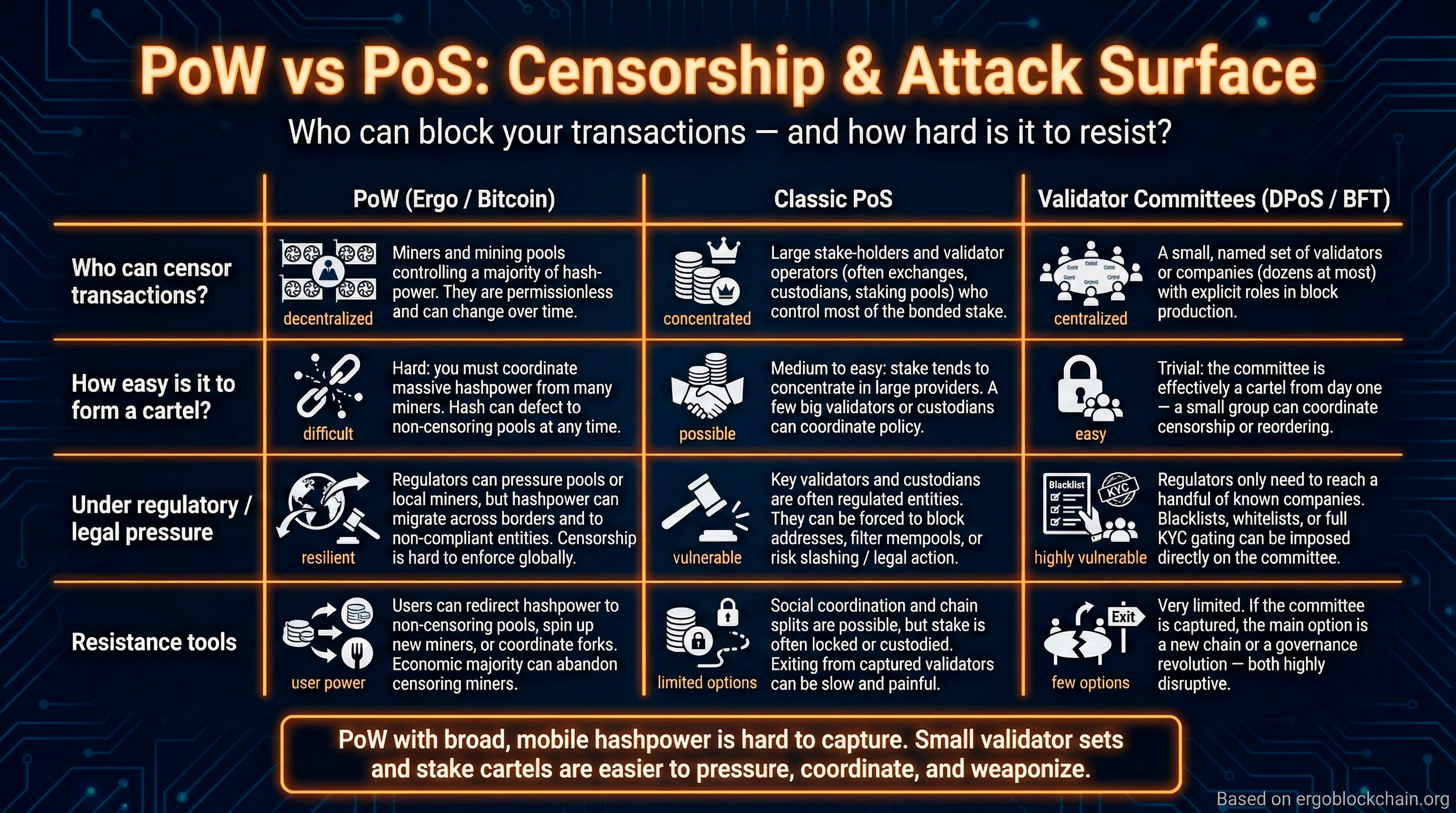
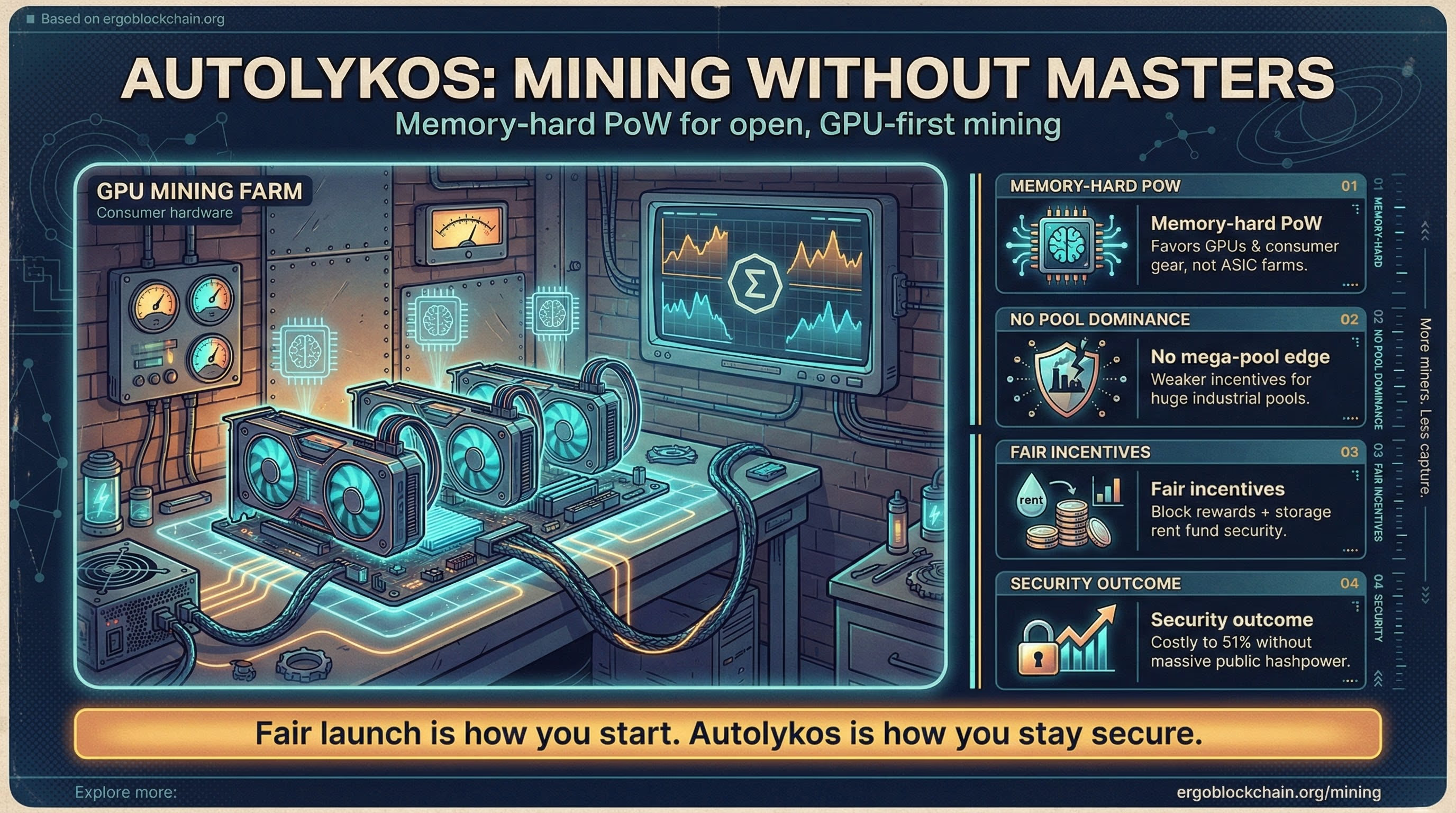
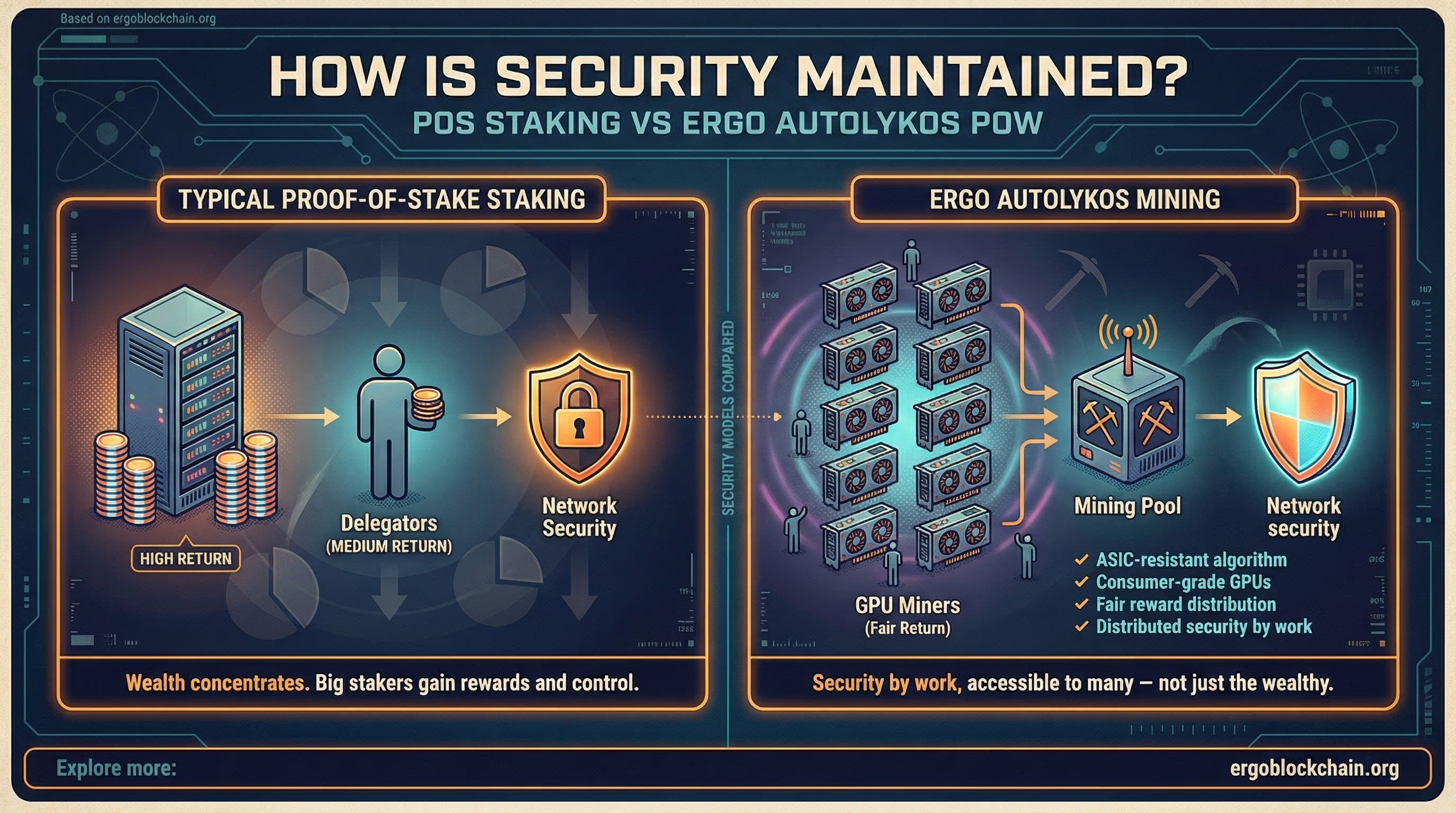
Related Infographics
Related Articles
Frequently Asked Questions
Questions about Block Reward
Common questions about this topic
How do miners earn money on Ergo?
Ergo miners earn from three sources: block rewards (newly minted ERG), transaction fees, and storage rent. Block rewards decrease over time according to the emission schedule, but storage rent ensures long-term income even after all ERG is mined. Most miners use pools for consistent payouts.
How-to
Mining
What can I do with Ergo?
Ergo supports a broad ecosystem: use SigmaUSD, explore historical and current DeFi references, mix transactions with ErgoMixer where lawful, collect NFTs, mine with GPUs, bridge to other chains via Rosen, and build dApps with ErgoScript. Always verify current project status before sending funds to a third-party app.
Explainer
Getting Started
What is storage rent on Ergo?
Storage rent is Ergo's solution to state bloat. Boxes (UTXOs) that remain unspent for 4+ years can have a small fee deducted by miners. This incentivizes cleaning up unused state, provides long-term miner revenue after emission ends, and keeps the blockchain sustainable. Lost coins eventually return to circulation instead of being locked forever.
Explainer
Technology
Is Ergo mining profitable in 2025?
Ergo mining profitability depends on your electricity cost, GPU efficiency, network difficulty, pool fees, and ERG price. Use mining calculators with your specific hardware and power costs. Autolykos is designed to keep GPU mining viable, but profitability changes with market and network conditions.
Explainer
Mining