Build Agent Economy Apps on Ergo
Notes, reserves, and acceptance predicates — core primitives for autonomous work settlement
Ergo is a strong reference settlement layer for programmable credit, acceptance predicates, and verifiable reserve-style flows. This playbook walks through the receipt-oriented agent stack in testnet-first mode.
Problem
Autonomous work flows need more than merchant checkout. Agents may be temporary processes with bounded authority, no persistent payment identity, and strict spending limits. They need programmable IOUs, receipts, and explicit settlement rules, not only coin transfers.
Solution
Ergo's eUTXO model with ErgoScript acceptance predicates lets you issue bearer notes (IOUs), set conditions for acceptance (task hash + deadline), deploy verifiable reserves, and compose them into testnet-first credit flows with explicit audit boundaries.
Step-by-Step Guide
Learn the 4 primitives: Reserve (backing), Note (bearer IOU), Tracker (anti-double-spend), Predicate (acceptance rule). These compose into receipt-bearing credit flows.
Related Resources
Articles
Ergo Agent Economy: From Website to Public Proof Surface
Ergoblockchain.org is becoming a public proof surface for agent developers: safe MCP tools, service discovery, jobs, quote scaffolds, wallet policy checks, receipt bundles, reputation signals, and a clear testnet-first mainnet gate.
Jun 2, 202616 min read
Accord Protocol Q2 2026 Update: What Shipped in Ergo’s Agent Economy Stack
Accord Protocol now ships a testnet-first agreement layer, full Note lifecycle, framework adapters and MCP tooling, with Sage providing a hosted proof, full receipt storage and signed L1 evidence.
May 6, 20268 min read
Infographics
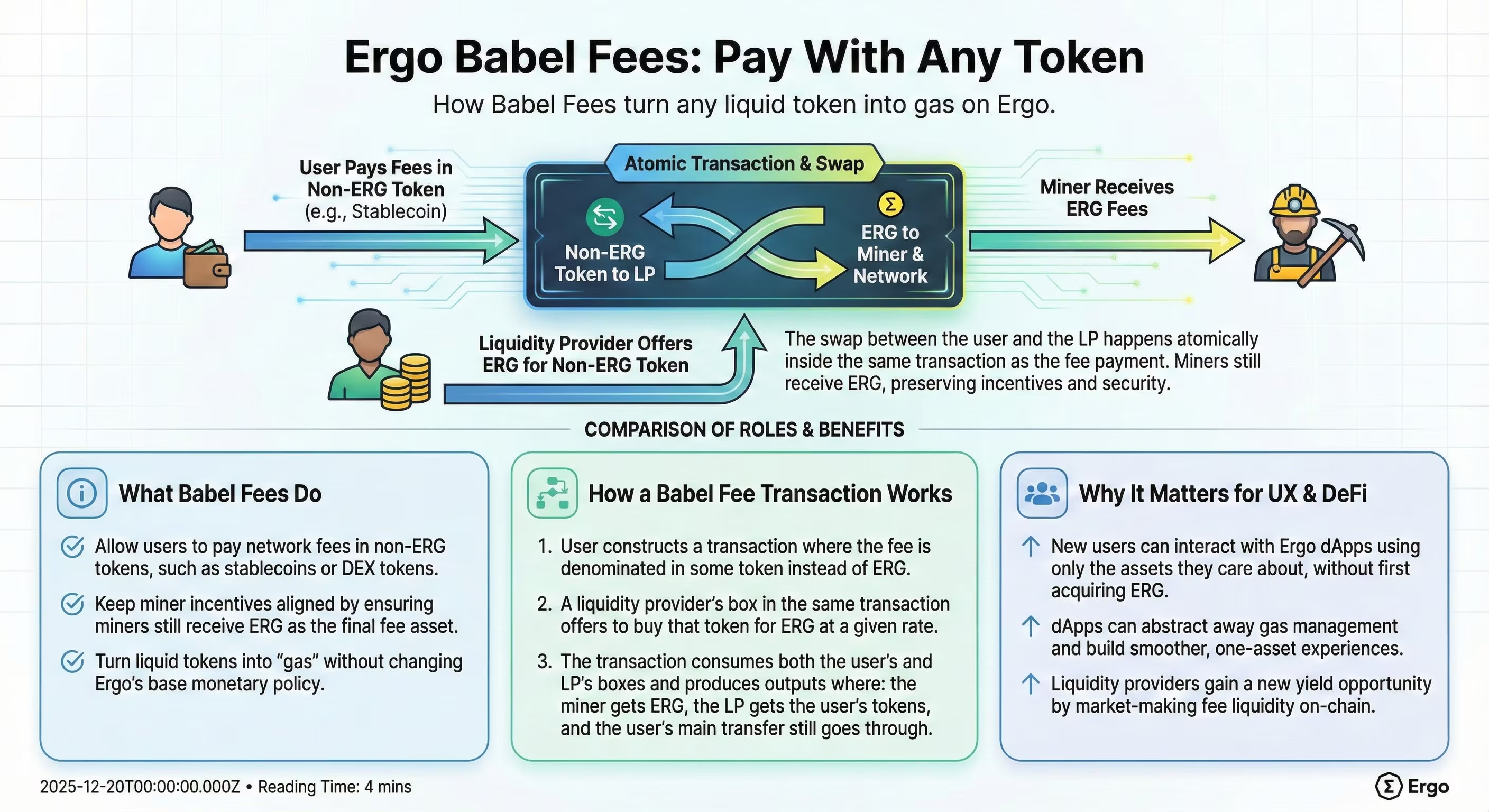
Babel Fees: Supported Token Fee Paths
How Ergo's Babel Fees let users cover transaction costs through supported token-to-ERG paths while miners still receive ERG through an on-chain market mechanism.
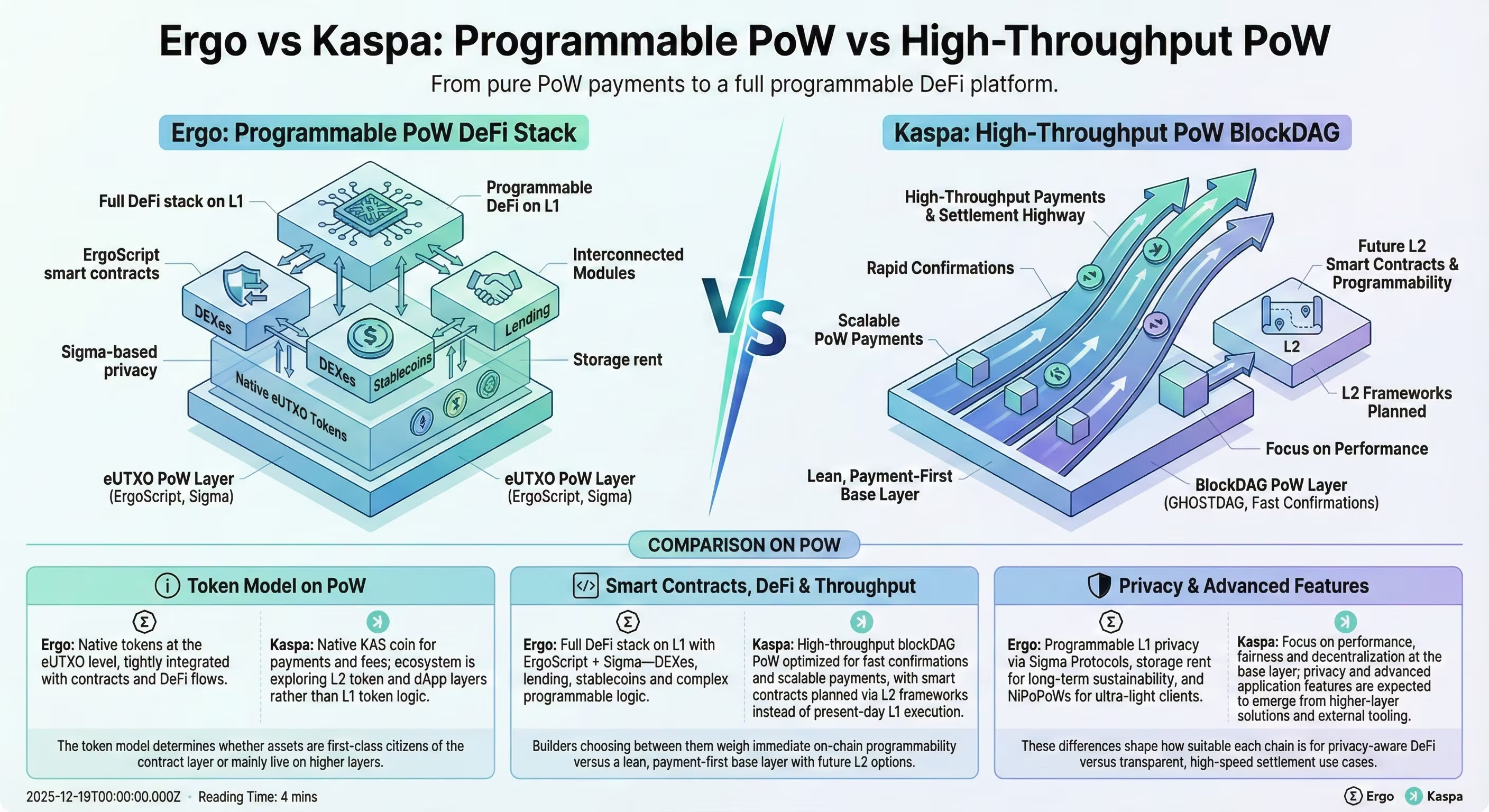
Ergo vs Kaspa: Programmable PoW vs High-Throughput PoW
Infographic comparing Ergo’s programmable eUTXO DeFi stack with Kaspa’s high-throughput PoW payments layer built on a BlockDAG.
Ready to Get Started?
Complete this playbook and join the Ergo community.