Scalability
Intermediate
Updated 11/26/2025
What is
Subblocks?
A scalability feature that increases Ergo's throughput by allowing parallel transaction processing between main blocks.
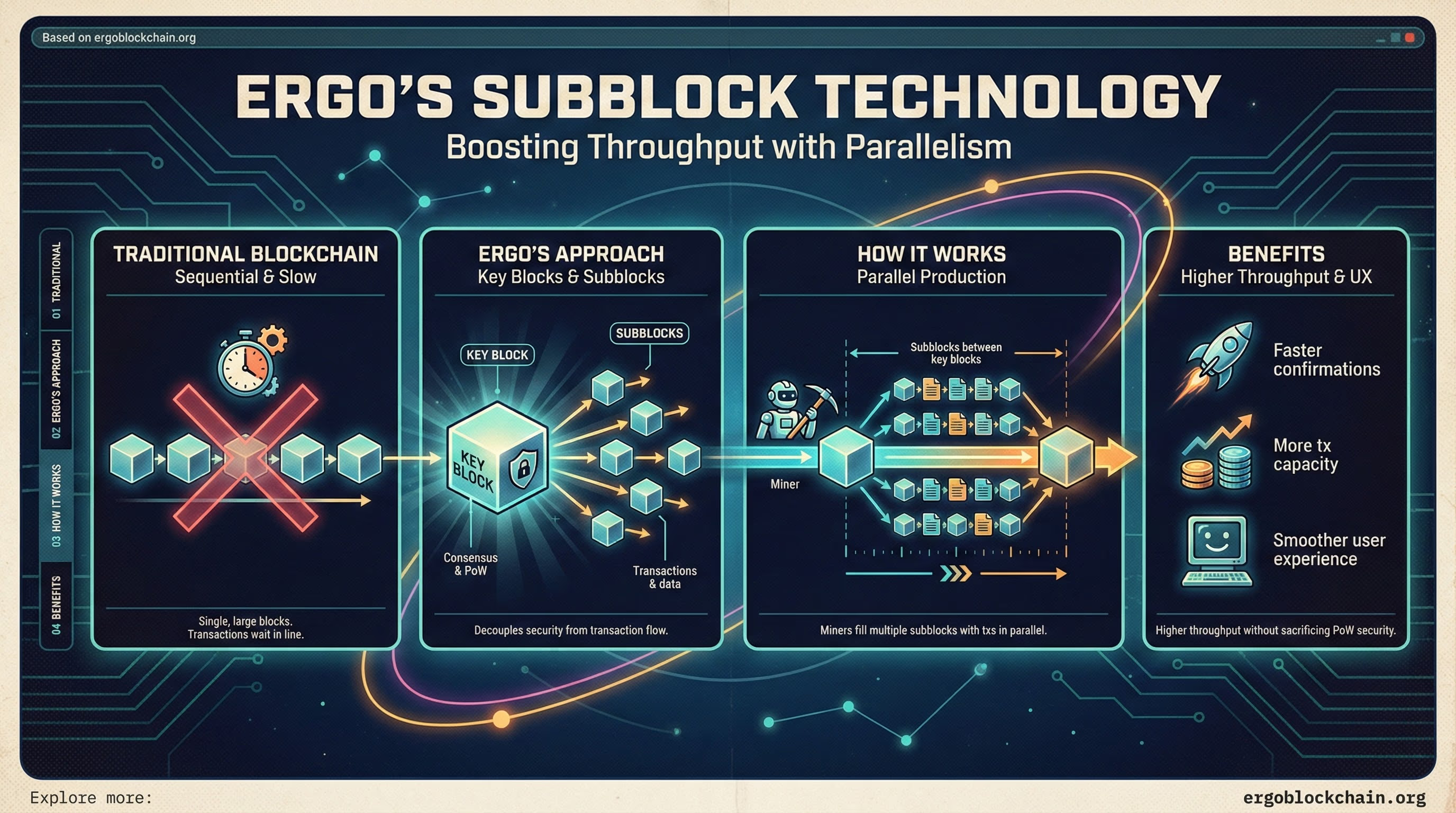
Subblocks are an upcoming Ergo scalability enhancement that introduces intermediate blocks between main (key) blocks. This allows transactions to be processed in parallel, significantly increasing throughput without sacrificing security or decentralization. Subblocks inherit the security of their parent key block while enabling faster confirmation times.
Key Points
- Intermediate blocks between main key blocks
- Enable parallel transaction processing
- Faster confirmation times for users
- No sacrifice to security or decentralization
- Inherit security from parent key block
- Significant throughput improvement
Use Cases
1
High-throughput DeFi applications
2
Faster DEX order execution
3
Improved user experience with quicker confirmations
4
Scaling without layer 2 complexity
Technical Details
Subblocks work by allowing miners to produce smaller, intermediate blocks between full key blocks. These subblocks can be processed in parallel, as they don't need to wait for full block validation. The key block then consolidates all subblock transactions, maintaining the security guarantees of the main chain.
Related Infographics
Related Articles

Frequently Asked Questions
Questions about Subblocks
Common questions about this topic
How do miners earn money on Ergo?
Ergo miners earn from three sources: block rewards (newly minted ERG), transaction fees, and storage rent. Block rewards decrease over time according to the emission schedule, but storage rent ensures long-term income even after all ERG is mined. Most miners use pools for consistent payouts.
How-to
Mining
What is financial repression and how does Ergo help?
Financial repression includes capital controls, account freezes, surveillance, inflation, and restrictions on financial freedom. Governments use these tools to control citizens. Ergo provides escape: self-custody (no account freezes), privacy (no surveillance), censorship resistance (no blocked transactions), and sound money (no inflation).
Philosophy
Philosophy
Is Ergo mining profitable in 2025?
Ergo mining profitability depends on your electricity cost, GPU efficiency, network difficulty, pool fees, and ERG price. Use mining calculators with your specific hardware and power costs. Autolykos is designed to keep GPU mining viable, but profitability changes with market and network conditions.
Explainer
Mining
What is storage rent on Ergo?
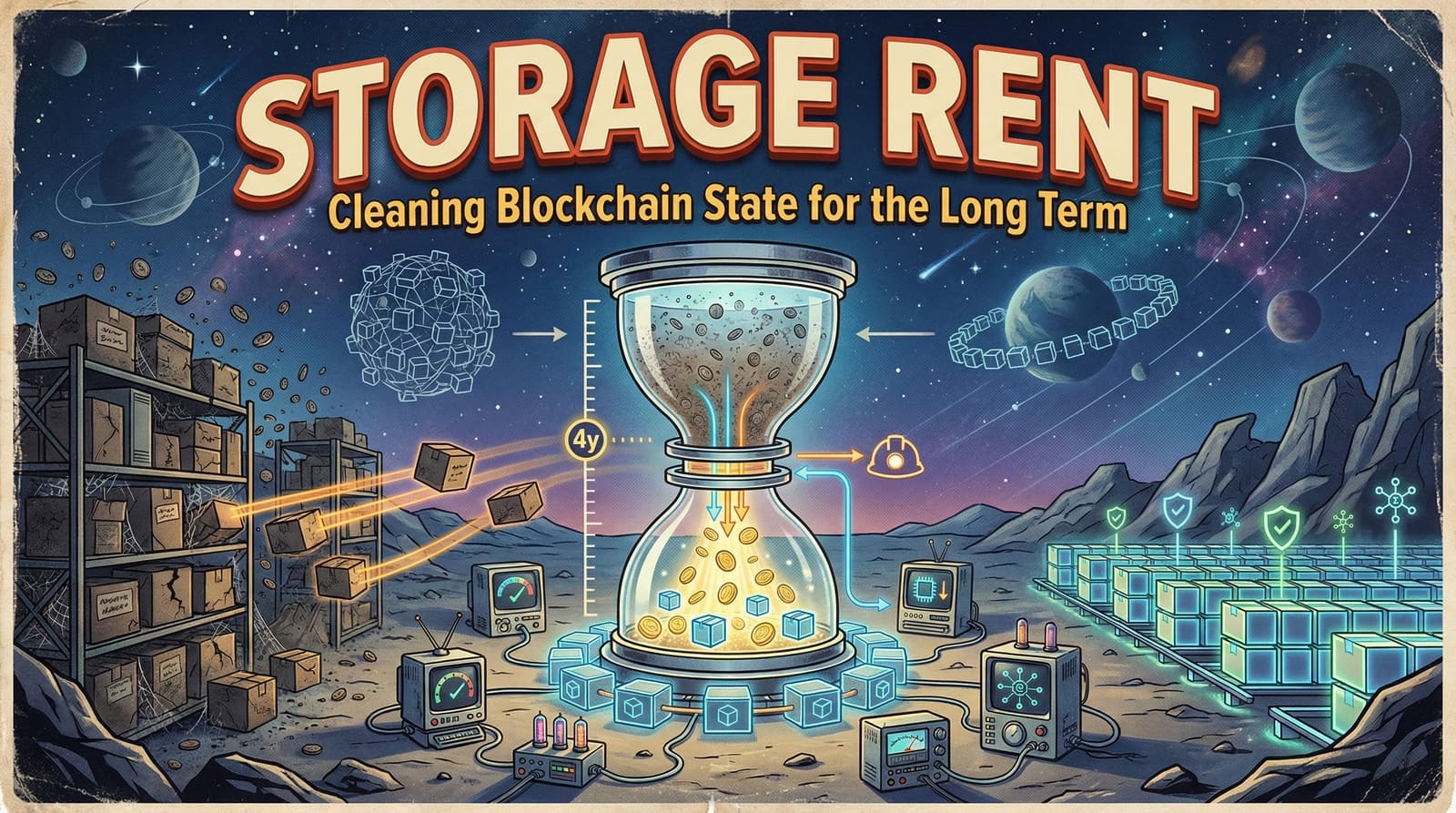
Storage rent is Ergo's solution to state bloat. Boxes (UTXOs) that remain unspent for 4+ years can have a small fee deducted by miners. This incentivizes cleaning up unused state, provides long-term miner revenue after emission ends, and keeps the blockchain sustainable. Lost coins eventually return to circulation instead of being locked forever.
Explainer
Technology