Smart Contracts
Beginner
What is
DEX (Decentralized Exchange)?
A peer-to-peer exchange that allows trading cryptocurrencies without intermediaries or custody.
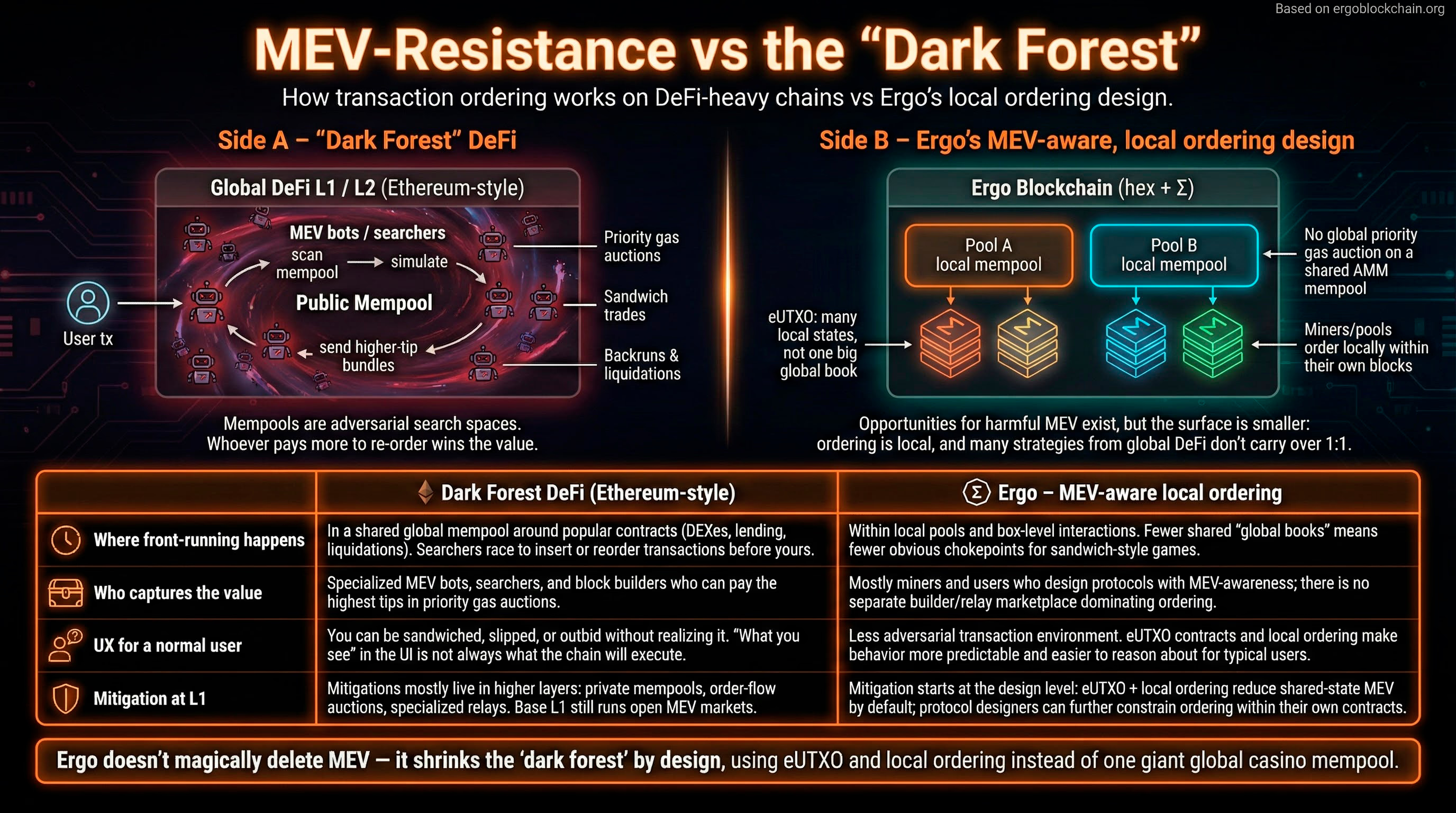
Decentralized exchanges enable non-custodial trading directly from your wallet using smart contracts. On Ergo, historical DEX designs such as Spectrum/ErgoDEX used the eUTXO model for atomic swaps - trades either complete fully or not at all. This reduces the front-running and MEV surface common on account-based DEXs, but current venue status and liquidity must still be verified.
Key Points
- Trade directly from your wallet
- No centralized account required for protocol-level use
- Atomic swaps ensure fair execution
- Reduced front-running surface on eUTXO
- Liquidity pools enable trading
- Spectrum Finance is a historical reference, not an active default venue
Use Cases
1
Swapping ERG for tokens
2
Providing liquidity for fees
3
Trading without centralized risk
4
Accessing DeFi ecosystem
Related Infographics
Related Articles

Frequently Asked Questions
Questions about DEX (Decentralized Exchange)
Common questions about this topic
How to provide liquidity on Ergo?
Providing liquidity on Ergo depends on the current active DEX or AMM venue. In general, you deposit equal value of two assets into a pool, receive LP tokens representing your share, and earn a portion of trading fees. Spectrum Finance is historical/frozen since February 2024, so verify the active venue, contracts, liquidity depth, and withdrawal process before depositing funds.
How-to
DeFi
How to use Spectrum DEX on Ergo?
Spectrum Finance is best treated as a historical Ergo DEX reference: the team published a sunset notice and froze contracts in February 2024. If you are studying old Ergo AMM flows, review Spectrum as a reference implementation, but do not assume it is an active venue for new swaps or liquidity. For any live trading, verify the current venue, liquidity, contract status, and official links first.
How-to
DeFi
How to get started with Ergo?
Start by getting a wallet (Nautilus for browser, Terminus for mobile). Back up your seed phrase securely offline. Get some ERG from a current exchange or verified venue, then make a small test transaction. After that, explore NFTs, mining, DeFi references, or the developer stack if you're a builder.
How-to
Getting Started
What can I do with Ergo?
Ergo supports a broad ecosystem: use SigmaUSD, explore historical and current DeFi references, mix transactions with ErgoMixer where lawful, collect NFTs, mine with GPUs, bridge to other chains via Rosen, and build dApps with ErgoScript. Always verify current project status before sending funds to a third-party app.
Explainer
Getting Started