Consensus & Mining
Beginner
What is
Double Spend?
Fraudulently spending the same cryptocurrency twice, which blockchain consensus prevents.
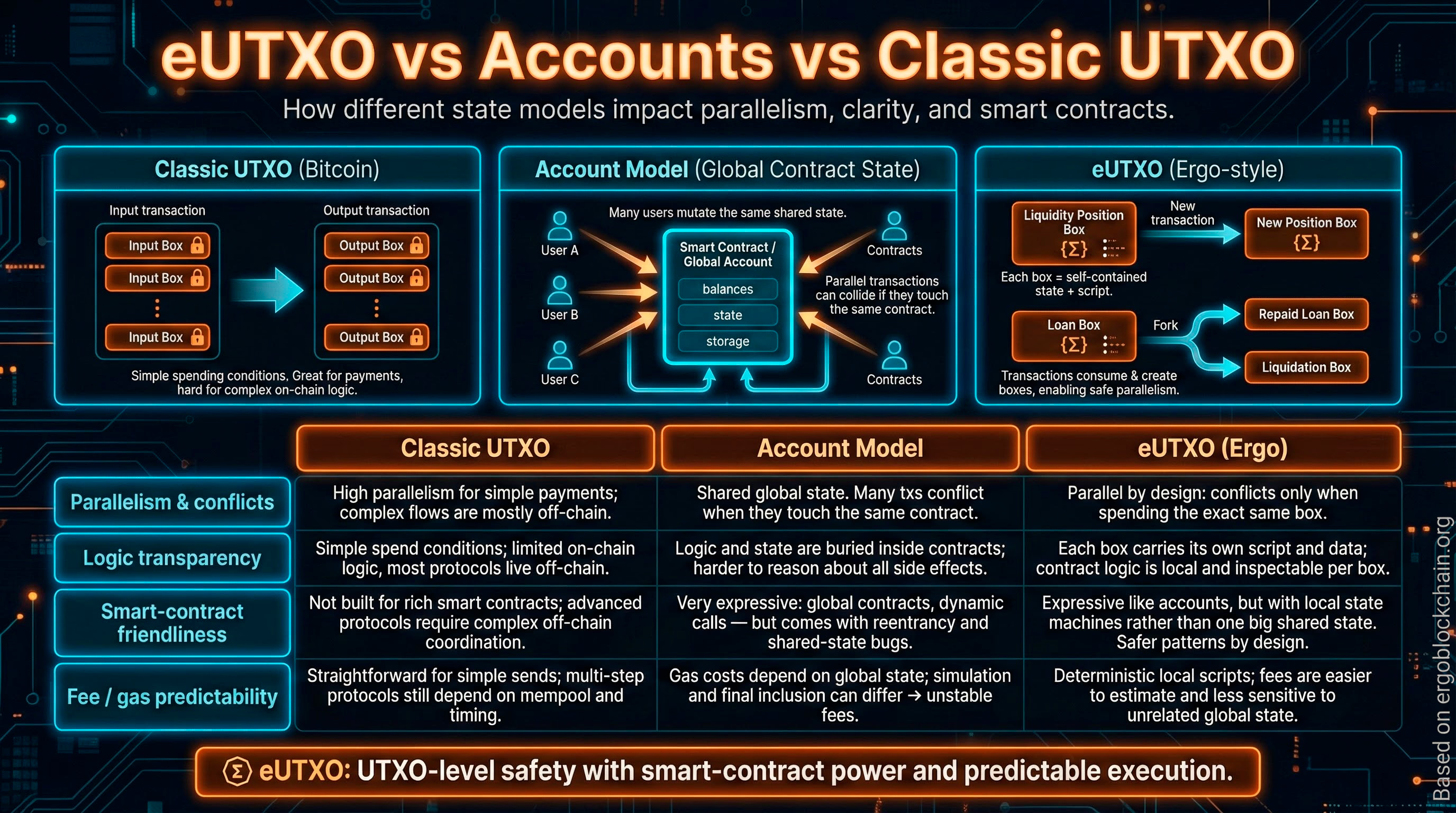
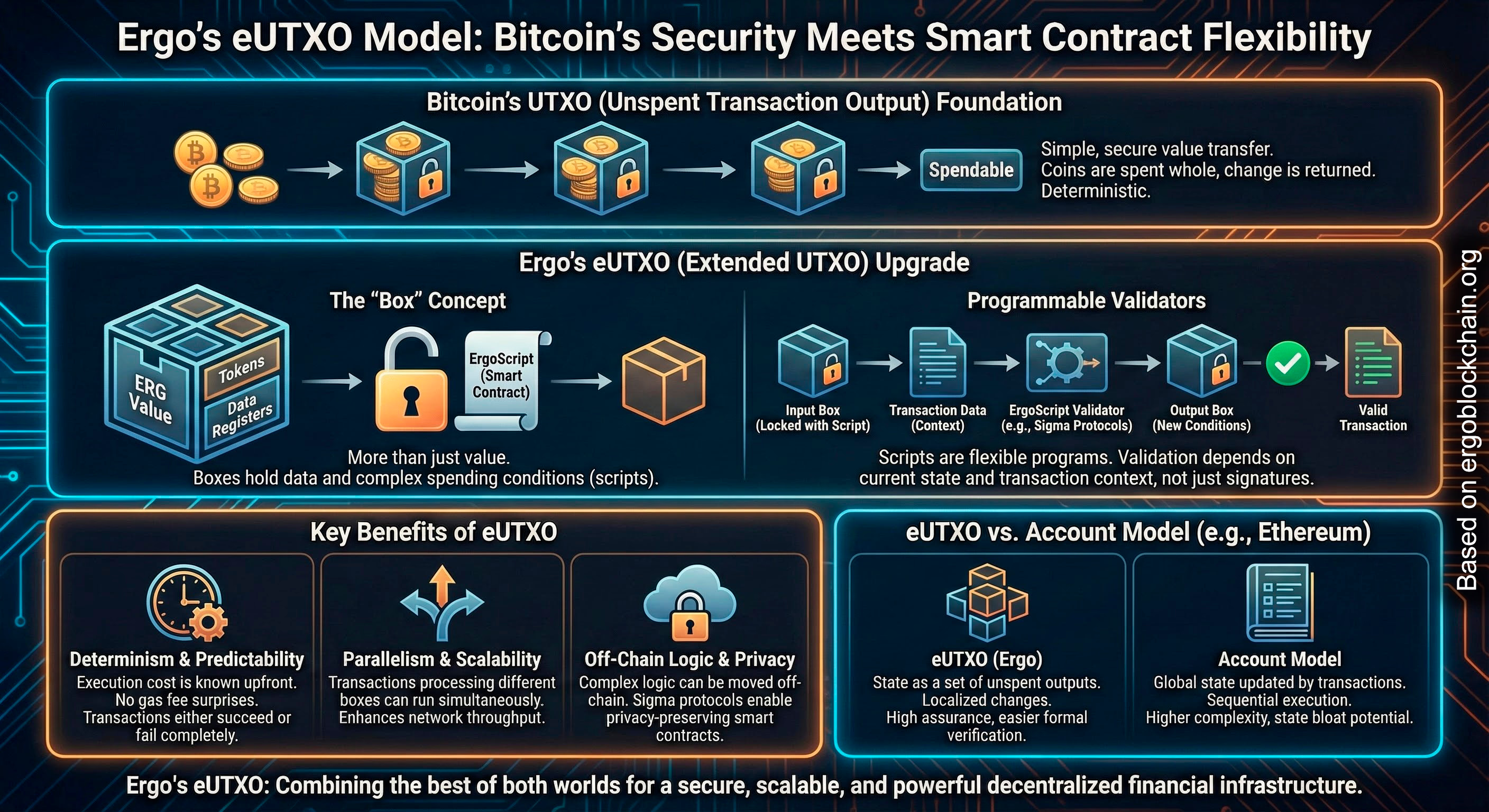
Double spending is the fundamental problem digital currencies must solve - preventing someone from spending the same coins twice. Blockchain consensus (like Ergo's PoW) solves this by having the network agree on a single transaction history. The eUTXO model makes double-spends even harder as each box can only be spent once.
Key Points
- Core problem blockchains solve
- Consensus prevents double-spends
- eUTXO: each box spent only once
- Wait for confirmations for safety
- Would require 51% attack
- Never happened on Ergo
Related Infographics
Related Articles
Frequently Asked Questions
Questions about Double Spend
Common questions about this topic
What are NiPoPoWs and why do they matter?
NiPoPoWs (Non-Interactive Proofs of Proof-of-Work) are cryptographic proofs that compress blockchain history. Instead of downloading gigabytes of blocks, light clients can verify the chain with just kilobytes of data. This enables true trustless light wallets, efficient cross-chain bridges, and sidechains - all without trusting third parties.
Explainer
Technology
How to use Spectrum DEX on Ergo?
Spectrum Finance is best treated as a historical Ergo DEX reference: the team published a sunset notice and froze contracts in February 2024. If you are studying old Ergo AMM flows, review Spectrum as a reference implementation, but do not assume it is an active venue for new swaps or liquidity. For any live trading, verify the current venue, liquidity, contract status, and official links first.
How-to
DeFi
How do NFTs work on Ergo?
Ergo NFTs are native tokens with quantity of 1, making each unique. Unlike Ethereum where NFTs need smart contracts, Ergo NFTs are first-class protocol citizens. Mint for minimal fees (~0.001 ERG), trade on SkyHarbor marketplace, and enjoy full eUTXO security. NFTs can include rich metadata and royalties.
Explainer
Technology
What is storage rent on Ergo?
Storage rent is Ergo's solution to state bloat. Boxes (UTXOs) that remain unspent for 4+ years can have a small fee deducted by miners. This incentivizes cleaning up unused state, provides long-term miner revenue after emission ends, and keeps the blockchain sustainable. Lost coins eventually return to circulation instead of being locked forever.
Explainer
Technology