Smart Contracts
Intermediate
What is
Sandwich Attack?
A MEV attack that places transactions before and after a victim's trade to extract profit.
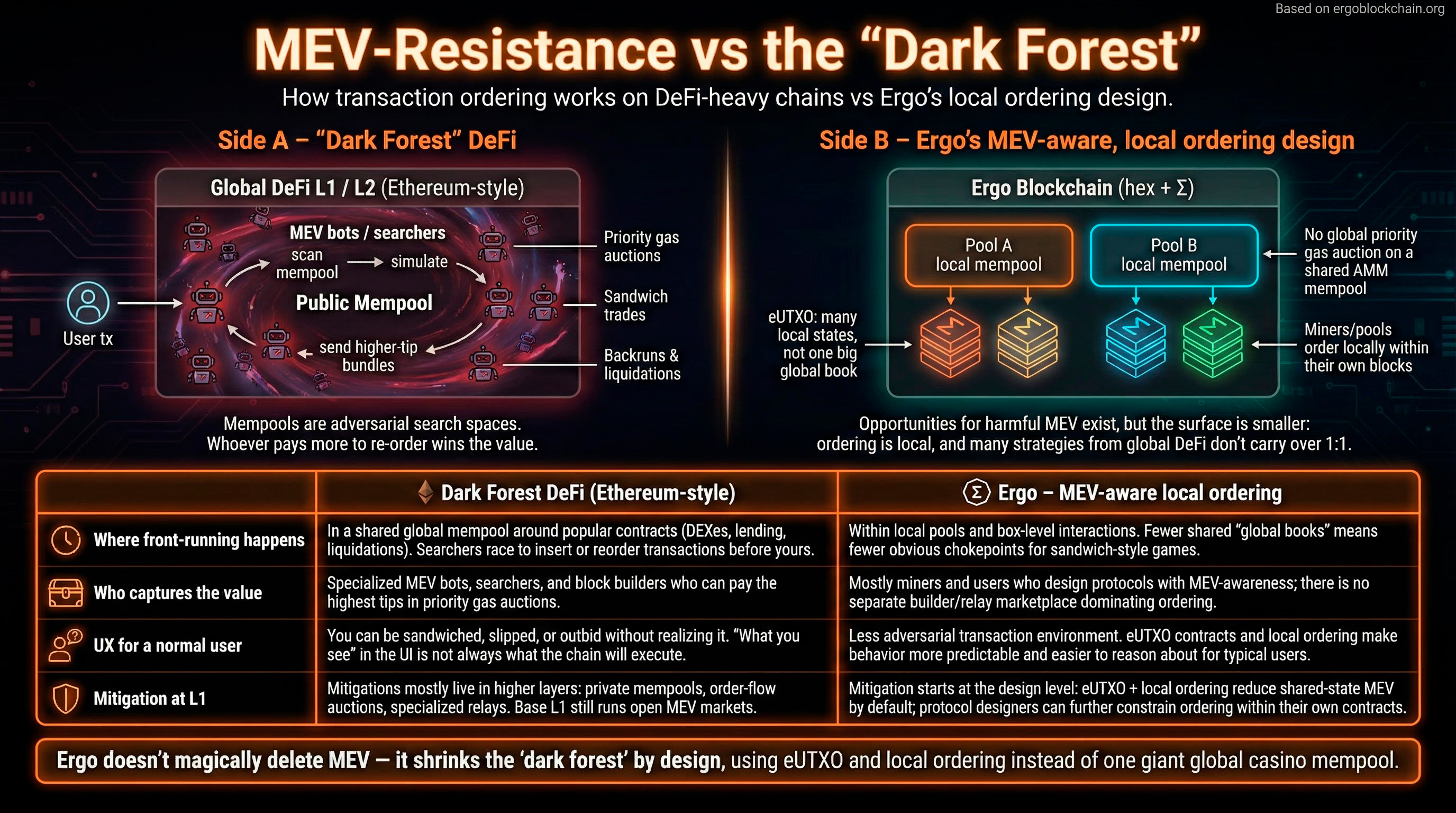
In a sandwich attack, an attacker sees your pending DEX trade, buys before you (raising the price), lets your trade execute at the worse price, then sells after (profiting from the price impact). This is a major problem on account-model DeFi. Ergo's eUTXO model makes common sandwich patterns much harder.
Key Points
- Buy before victim, sell after
- Extracts value from traders
- Requires seeing pending transactions
- Very common on Ethereum
- eUTXO strongly reduces this attack surface
- Part of 'dark forest' problem
Related Infographics
Related Articles
Frequently Asked Questions
Questions about Sandwich Attack
Common questions about this topic
How to use Spectrum DEX on Ergo?
Spectrum Finance is best treated as a historical Ergo DEX reference: the team published a sunset notice and froze contracts in February 2024. If you are studying old Ergo AMM flows, review Spectrum as a reference implementation, but do not assume it is an active venue for new swaps or liquidity. For any live trading, verify the current venue, liquidity, contract status, and official links first.
How-to
DeFi
How to provide liquidity on Ergo?
Providing liquidity on Ergo depends on the current active DEX or AMM venue. In general, you deposit equal value of two assets into a pool, receive LP tokens representing your share, and earn a portion of trading fees. Spectrum Finance is historical/frozen since February 2024, so verify the active venue, contracts, liquidity depth, and withdrawal process before depositing funds.
How-to
DeFi
Is Ergo better than Ethereum for DeFi?
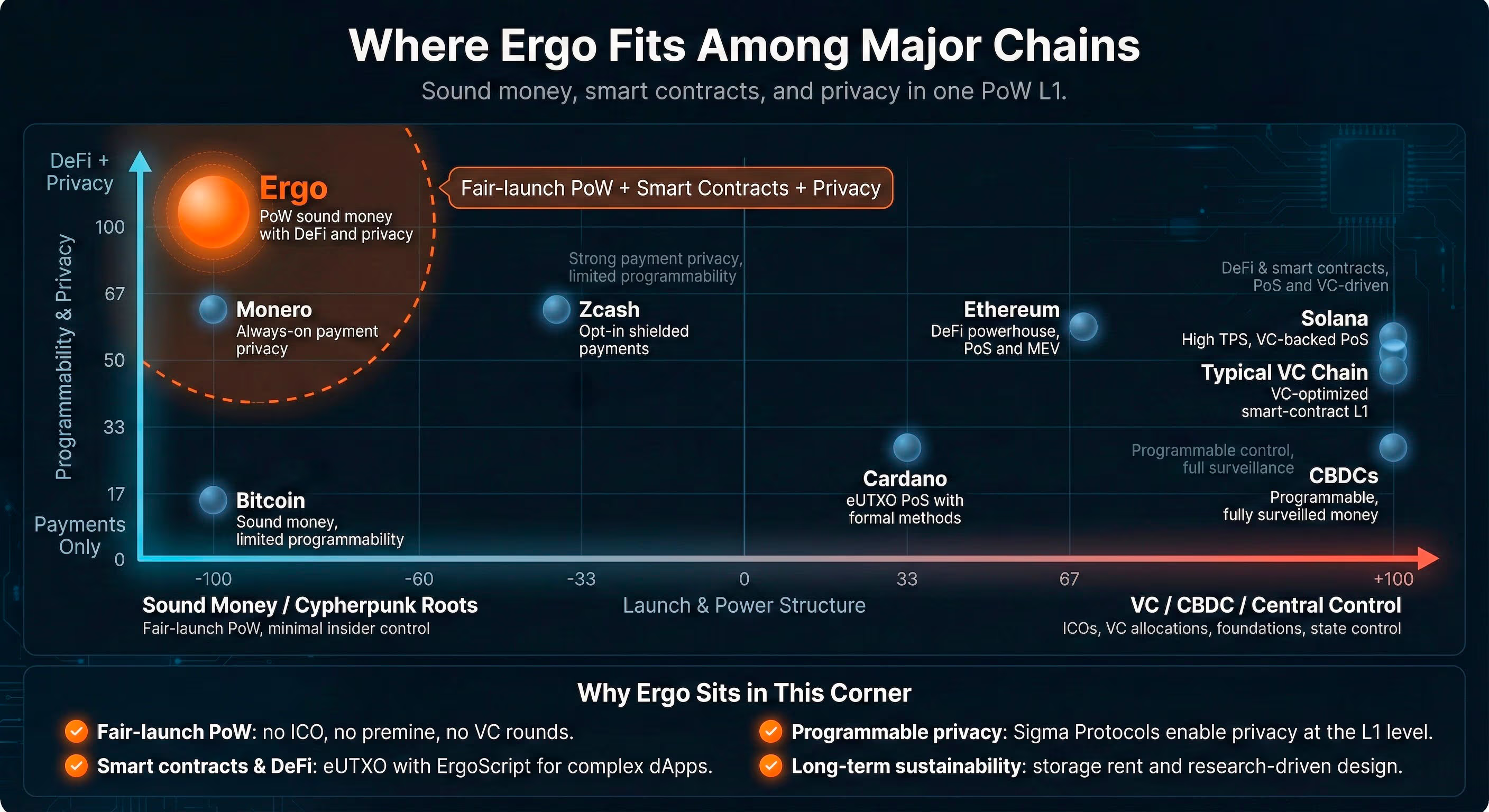
Ergo offers structural advantages for DeFi: MEV resistance by design, deterministic gas costs, and no protocol-level reentrancy by construction due to eUTXO. Ethereum has larger ecosystem and liquidity. Choose Ergo for security-critical applications, fair trading, and predictable costs. Choose Ethereum for maximum composability with existing protocols.
Comparison
DeFi
How to get started with Ergo?
Start by getting a wallet (Nautilus for browser, Terminus for mobile). Back up your seed phrase securely offline. Get some ERG from a current exchange or verified venue, then make a small test transaction. After that, explore NFTs, mining, DeFi references, or the developer stack if you're a builder.
How-to
Getting Started