General
Intermediate
Updated 1/15/2025
What is
Block Size?
The maximum data capacity of a blockchain block. Ergo has adjustable block size through miner voting, balancing throughput with decentralization.
Block size determines how much transaction data can fit in each block, directly affecting network throughput and decentralization. Larger blocks allow more transactions per second but require more bandwidth and storage, potentially centralizing the network to well-resourced nodes. Ergo takes a unique approach with miner-adjustable parameters - miners can vote to change block size limits based on network conditions. This allows the network to scale organically while maintaining decentralization through community consensus.
Key Points
- Determines maximum transaction data per block
- Larger blocks = more TPS but centralization risk
- Ergo has miner-adjustable block size
- Changes through miner voting, not hard forks
- Balances throughput with decentralization
- Current limit allows practical everyday use
Use Cases
1
Understanding network capacity and scalability
2
Evaluating decentralization tradeoffs
3
Comparing blockchain throughput
4
Understanding miner governance
Technical Details
Ergo's block size is controlled by protocol parameters that miners can adjust through voting. The current maximum is sufficient for typical DeFi usage. Block size affects: 1) Transactions per second capacity, 2) Block propagation time, 3) Node storage requirements, 4) Network bandwidth needs. Unlike Bitcoin's contentious block size debates, Ergo's approach allows gradual adjustment based on actual network conditions.
Related Infographics
Related Articles

Frequently Asked Questions
Questions about Block Size
Common questions about this topic
What can I do with Ergo?
Ergo supports a broad ecosystem: use SigmaUSD, explore historical and current DeFi references, mix transactions with ErgoMixer where lawful, collect NFTs, mine with GPUs, bridge to other chains via Rosen, and build dApps with ErgoScript. Always verify current project status before sending funds to a third-party app.
Explainer
Getting Started
What is storage rent on Ergo?
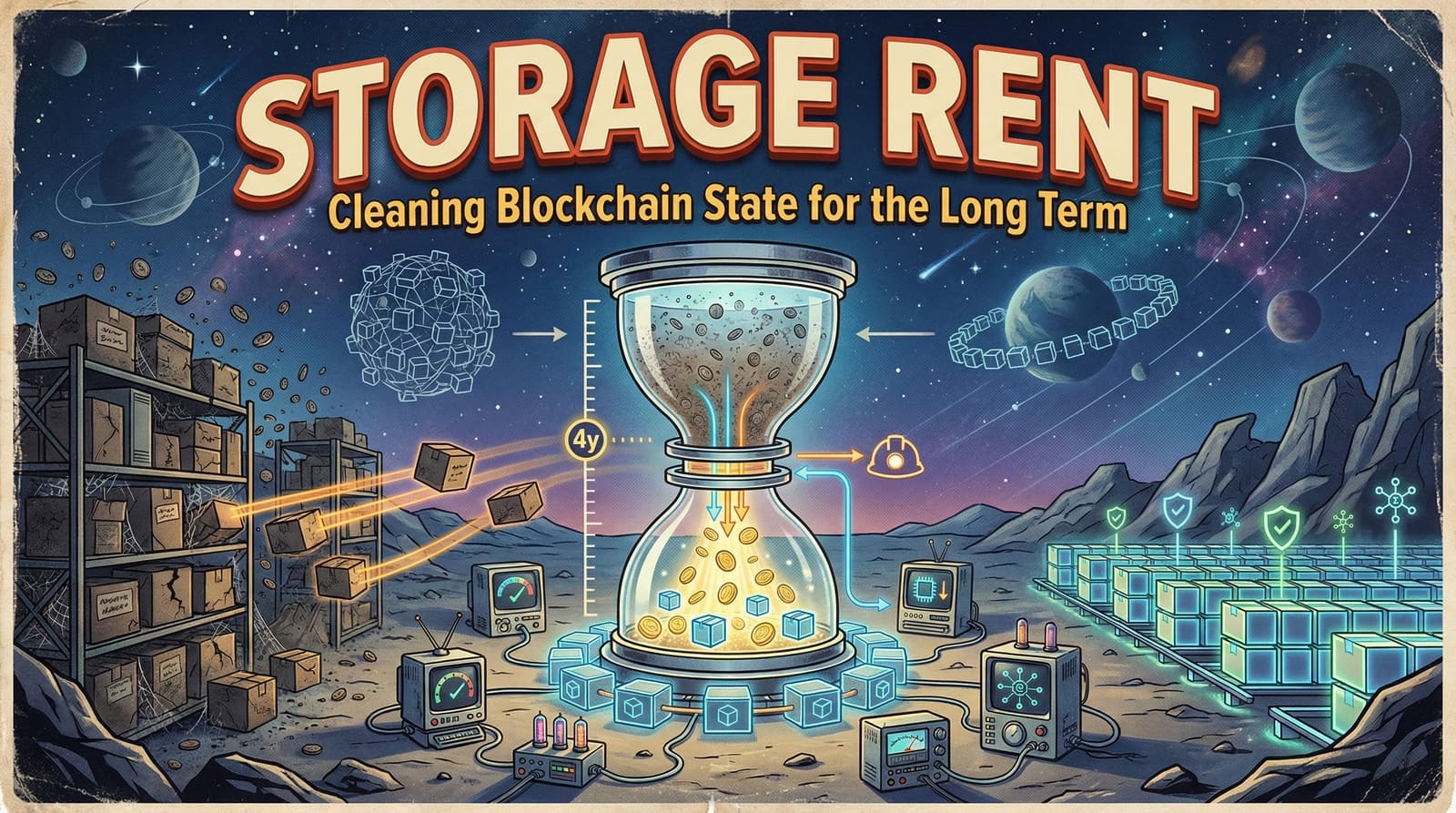
Storage rent is Ergo's solution to state bloat. Boxes (UTXOs) that remain unspent for 4+ years can have a small fee deducted by miners. This incentivizes cleaning up unused state, provides long-term miner revenue after emission ends, and keeps the blockchain sustainable. Lost coins eventually return to circulation instead of being locked forever.
Explainer
Technology
How do miners earn money on Ergo?
Ergo miners earn from three sources: block rewards (newly minted ERG), transaction fees, and storage rent. Block rewards decrease over time according to the emission schedule, but storage rent ensures long-term income even after all ERG is mined. Most miners use pools for consistent payouts.
How-to
Mining
How to get started with Ergo?
Start by getting a wallet (Nautilus for browser, Terminus for mobile). Back up your seed phrase securely offline. Get some ERG from a current exchange or verified venue, then make a small test transaction. After that, explore NFTs, mining, DeFi references, or the developer stack if you're a builder.
How-to
Getting Started