General
Advanced
What is
AVL+ Tree?
Ergo's authenticated data structure for efficient state storage and verification.
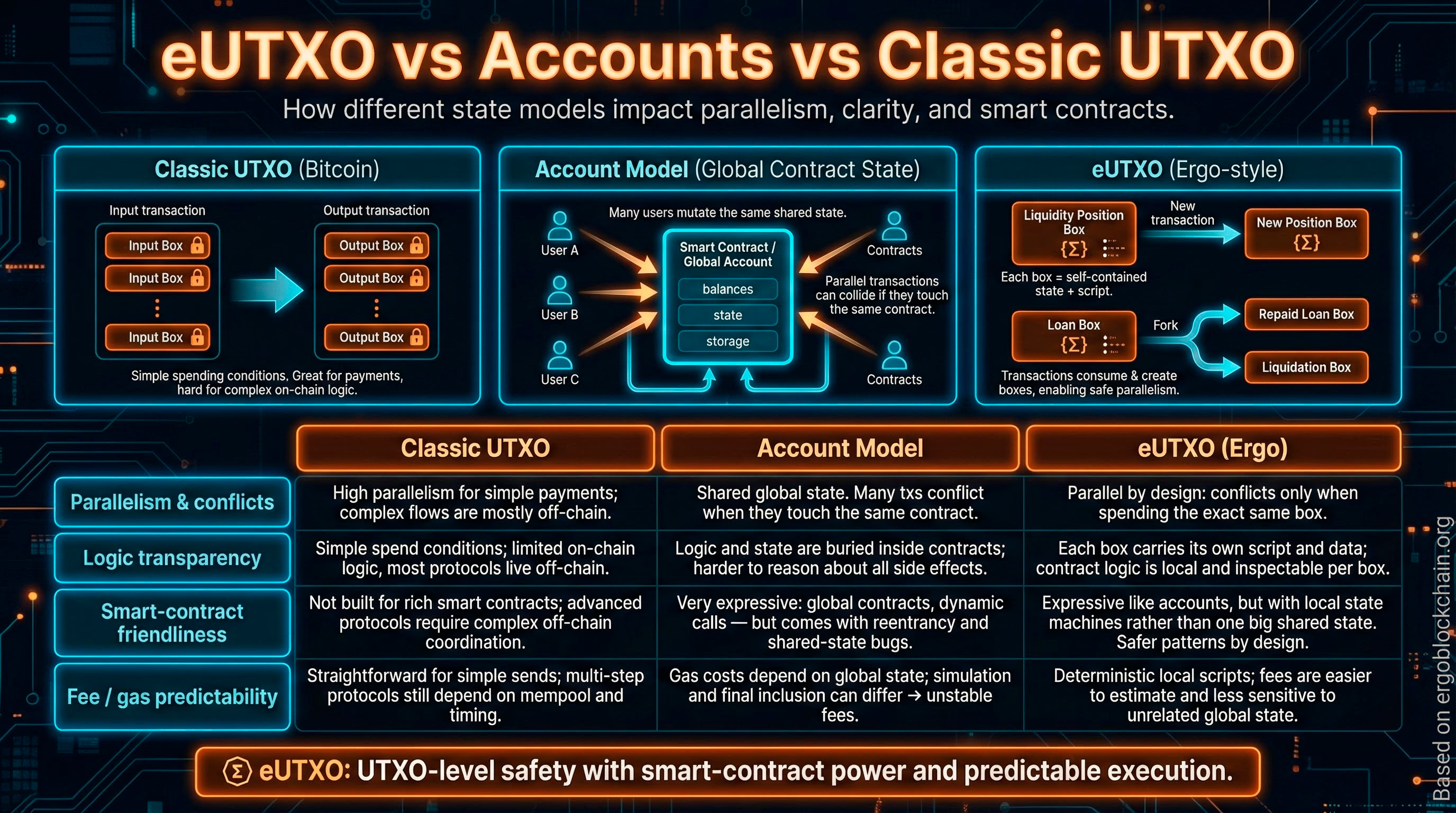
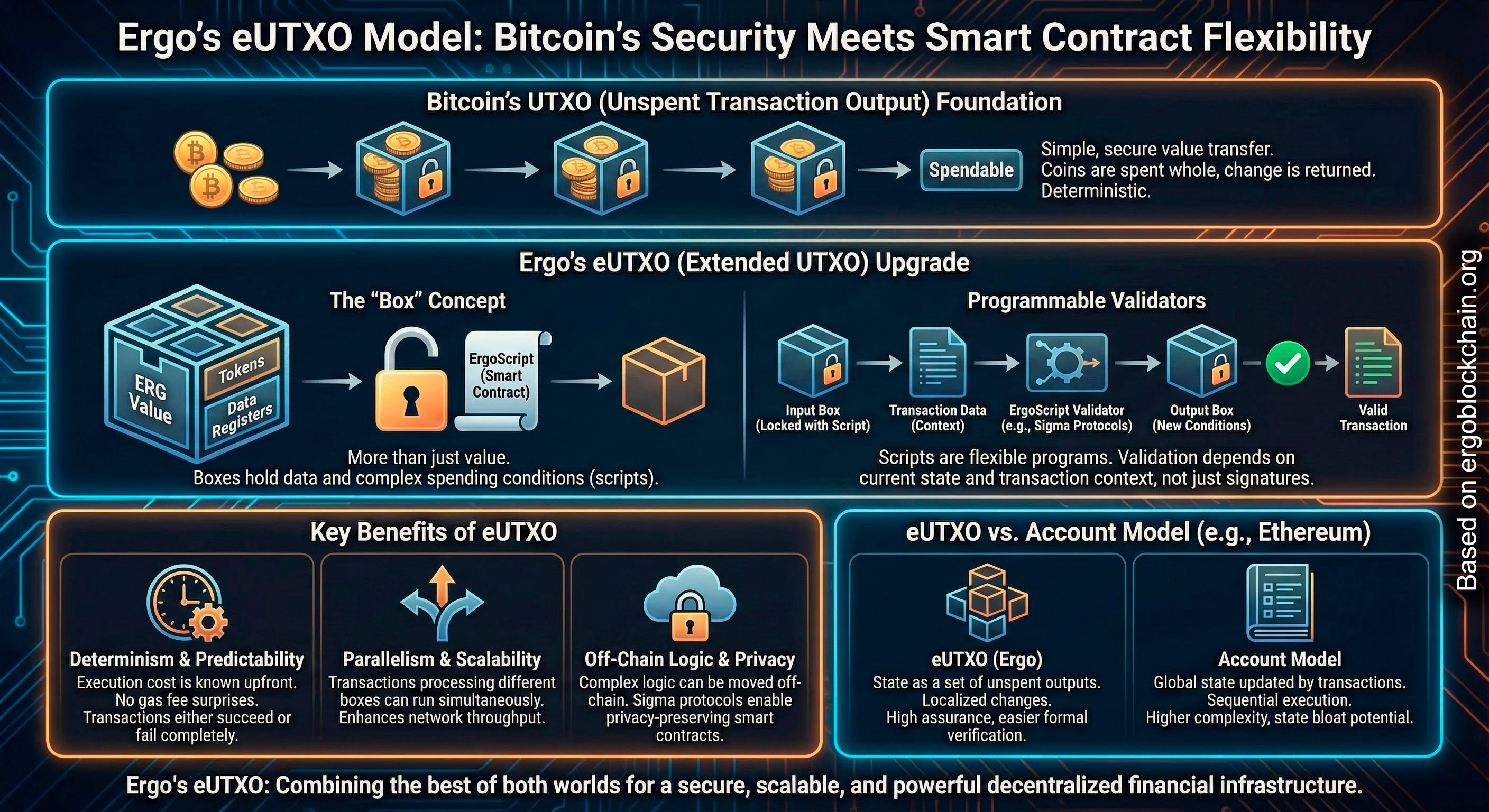
AVL+ trees are self-balancing binary search trees with cryptographic authentication. Ergo uses them to store the UTXO set, enabling efficient proofs of inclusion/exclusion. This allows light clients to verify state without trusting full nodes, supporting Ergo's goal of accessible verification.
Key Points
- Self-balancing for efficiency
- Cryptographically authenticated
- Stores Ergo's UTXO set
- Enables state proofs
- Supports light client verification
- Logarithmic proof sizes
Related Infographics
Related Articles
Frequently Asked Questions
Questions about AVL+ Tree
Common questions about this topic
Is Ergo a good investment?
This is not financial advice. Ergo has strong fundamentals: fair launch (no VC dump risk), innovative technology (eUTXO, Sigma Protocols, NiPoPoWs), active development, and a cypherpunk ethos. It's a smaller market cap project with higher risk/reward than established chains. Research thoroughly, understand the technology, and never invest more than you can afford to lose.
Comparison
Getting Started
How to get started with Ergo?
Start by getting a wallet (Nautilus for browser, Terminus for mobile). Back up your seed phrase securely offline. Get some ERG from a current exchange or verified venue, then make a small test transaction. After that, explore NFTs, mining, DeFi references, or the developer stack if you're a builder.
How-to
Getting Started
How to provide liquidity on Ergo?
Providing liquidity on Ergo depends on the current active DEX or AMM venue. In general, you deposit equal value of two assets into a pool, receive LP tokens representing your share, and earn a portion of trading fees. Spectrum Finance is historical/frozen since February 2024, so verify the active venue, contracts, liquidity depth, and withdrawal process before depositing funds.
How-to
DeFi
What is storage rent on Ergo?
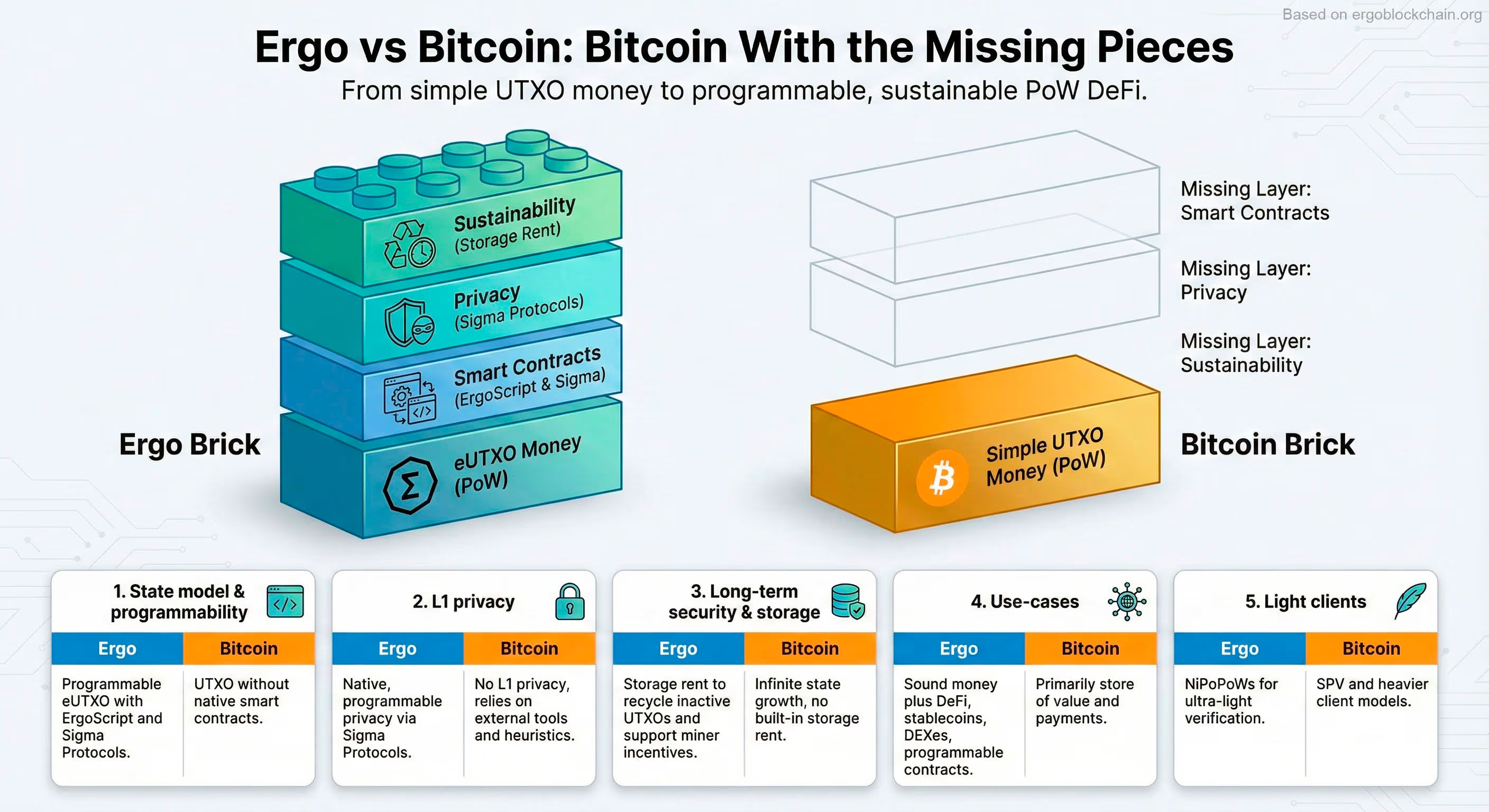
Storage rent is Ergo's solution to state bloat. Boxes (UTXOs) that remain unspent for 4+ years can have a small fee deducted by miners. This incentivizes cleaning up unused state, provides long-term miner revenue after emission ends, and keeps the blockchain sustainable. Lost coins eventually return to circulation instead of being locked forever.
Explainer
Technology