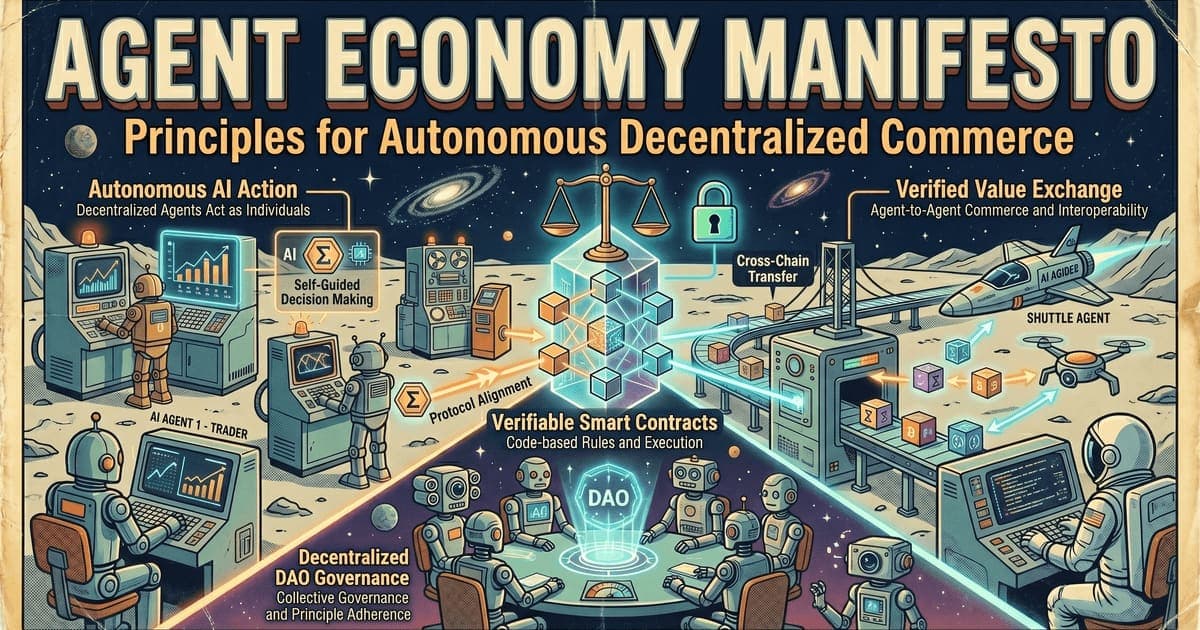
Autonome Agents werden zu wirtschaftlichen Akteuren.
Nicht zu juristischen Personen. Nicht zu Unternehmen. Nicht zu Menschen. Zu wirtschaftlichen Akteuren.
Sie fordern Daten an, rufen APIs auf, koordinieren Teilaufgaben, generieren Outputs, verbrauchen Rechenleistung, verkaufen Services und treffen Entscheidungen in Softwaresystemen. Heute ist die meiste ihrer wirtschaftlichen Aktivität hinter einem menschlichen Konto versteckt. Der Mensch zahlt die SaaS-Rechnung. Der Mensch hält die Karte. Der Mensch gleicht die Nutzung ab. Der Mensch unterzeichnet jede echte wirtschaftliche Verpflichtung.
Das wird nicht skalieren.
Wenn Agents fähiger werden, müssen sie wirtschaftlich mit anderen Agents, Services und Märkten interagieren. Sie brauchen Ausgabenlimits. Sie brauchen Belege. Sie brauchen Arbeitsverifizierung, bedingte Abrechnung und Kredit. Sie brauchen Geld, das in Softwaregeschwindigkeit funktioniert.
Das ist die Agent-Economy-These:
Autonome Agents brauchen programmierbare Währung, nicht nur Payment-Wrapper.
Fünf Thesen
1. Viele autonome Systeme werden zahlen und bezahlt werden müssen
Nicht jeder Chatbot braucht eine Wallet. Aber Agents, die gebührenpflichtige APIs aufrufen, Rechenleistung mieten, Daten kaufen, Aufgaben auslagern, Outputs verkaufen oder Workflows koordinieren, brauchen wirtschaftliche Fähigkeiten. Wenn der Agent nicht bezahlen kann, fällt jeder Workflow auf den menschlichen Operator zurück — und der menschliche Operator wird zum Engpass jeder Maschine.
2. Payment allein reicht nicht
Ein Payment-Beleg sagt, dass Wert bewegt wurde. Er sagt nicht, dass die Arbeit erledigt wurde. Die Agent Economy braucht Arbeitsvereinbarungen, Verifizierungsbelege und Abrechnungsbelege. Die interessante Einheit ist nicht die Transaktion. Es ist der Vertrag.
3. Programmierbare Annahme ist das fehlende Primitiv
Die Kernfrage ist nicht „kann ein Agent Geld senden?" Sie lautet: Kann die Zahlung nur eingelöst werden, wenn die vereinbarte Bedingung erfüllt ist? Das ist der Unterschied zwischen einer Banküberweisung und einem Vertrag. Die Agent Economy braucht den zweiten.
4. Agents brauchen begrenzten Kredit, keine unbegrenzten Wallets
Ein sicherer Agent sollte keine uneingeschränkten Mittel halten. Er sollte begrenzte, verfallende, zweckgebundene Instrumente erhalten. Die Geschichte des Bankwesens ist die Geschichte begrenzter Versprechen. Agents brauchen begrenzte Versprechen auch.
5. Der Gewinner-Stack wird geschichtet sein
Kein einzelnes Produkt wird die Agent Economy besitzen. Autorisierung, Zahlung, Arbeitsverifizierung, Kredit und Abrechnung werden in verschiedenen Schichten leben — und die Systeme, die gewinnen, sind diejenigen, die sauber komponieren.
Was Agents von Geld brauchen
Maschinenlesbare Bedingungen
Ein Agent kann nicht über eine vage Rechnung verhandeln. Er braucht strukturierte Bedingungen: Preis, Asset, Netzwerk, Empfänger, Frist, Erstattungsregel, Verifizierer und Aufgabendefinition. Alles weniger ist ein menschliches Artefakt, das für Software verkleidet ist.
Reibungslose Zahlung
Ein Agent kann pro Minute Hunderte von Tools aufrufen. Zahlung kann keine manuelle Kasse, keinen CAPTCHA oder einen sechsschrittigen OAuth-Tanz erfordern. Reibung ist der Feind der Automatisierung.
Deterministische Kosten
Agents müssen wissen, ob eine Transaktion sich lohnt, bevor sie sie einreichen. Unvorhersehbare Gebühren und Gas-Auktionen machen kleine autonome Zahlungen schwer zu planen und unmöglich zu budgetieren.
Begrenzte Ausgaben
Ein Agent sollte Limits haben — pro Aufgabe, pro Gegenpartei, pro Tag, pro Asset, pro Risikokategorie. Die richtige Voreinstellung ist die kleinste mögliche Berechtigung, die den Job immer noch schafft.
Arbeitsverifizierung
Das System muss definieren, was als akzeptable Arbeit zählt. Das könnte objektive Outputs sein, ein signierter Verifizierer-Beleg, ein kryptografischer Beweis, eine Hash-Verpflichtung oder eine von Mensch überprüfte Entscheidung. Ohne Verifizierungsregel wird Zahlung zum Trinkgeld.
Abrechnungsbelege
Nachgelagerte Systeme müssen wissen, was abgerechnet wurde. Belege sind keine Papierkram — sie sind das Substrat der Rechnungsführung, Streitbeilegung, Audit und Reputation. Ein Geldsystem ohne gute Belege kann nicht aufwachsen.
Warum menschliche Payment-Rails nicht ausreichen
Traditionelle Zahlungssysteme sind für persistente Identitäten konzipiert: Menschen, Unternehmen, Bankkonten, Karten, Merchant-Konten, Rückbuchungen, rechtliche Einsprüche. Das ist angemessen für menschlichen Handel.
Agents sind anders. Sie können temporäre Prozesse sein. Sie können unter delegierter Autorität handeln. Sie können für einen einzelnen API-Aufruf bezahlen müssen. Sie können in einem Workflow arbeiten, in dem die Gegenpartei ein anderer Agent ist, kein registrierter Händler.
Das macht traditionelle Systeme nicht unbrauchbar. Sie bleiben wichtig, wo immer ein Mensch einen Kauf autorisiert. Aber die tiefere Schicht ist autonome Arbeitsabrechnung: Ein Agent zahlt einen anderen Agent oder Service für eine Aufgabe, und das System selbst überprüft, ob die Aufgabe erledigt wurde.
Diese Schicht kann kein Wrapper um ein Kartennetzwerk sein. Sie muss Geld mit Logik darin sein.
Verifizierbare Workflows sind Tisch-Einsätze. Programmierbare Kredite sind das Unlock.
Ein verifizierbarer Workflow beantwortet eine Frage:
Ist die Arbeit geschehen?
Das ist wichtig. Ohne Verifizierung werden autonome Zahlungen zu blinden Transfers. Agents brauchen Belege, Task-Hashes, Acceptance Predicates und Abrechnungsproofs.
Aber Verifizierung allein schafft keine Wirtschaft.
Das größere Unlock kommt, wenn Agents begrenzten, programmierbaren Kredit untereinander ausstellen können.
Ein Parent-Agent sollte einem Sub-Agent ein Budget geben können, ohne einen Private Key zu übergeben. Ein Datenanbieter sollte eine einlösbare Note akzeptieren können, anstatt sofortige Abrechnung zu verlangen. Ein Compute-Markt sollte Arbeit in kleine Task-bedingte Ansprüche preisen können. Ein Verifizierer sollte Abrechnung nur freigeben können, wenn die Arbeit mit der Vereinbarung übereinstimmt.
Das ist der Unterschied zwischen Agent-Zahlungen und einer Agent Economy.
Zahlungen bewegen Wert.
Verifizierung beweist Arbeit.
Kredit schafft wirtschaftliches Handlungsvermögen.
Auf Ergo kann das durch Reserve-, Note-, Tracker- und Acceptance-Predicate-Muster ausgedrückt werden:
- eine Reserve unterstützt den Kredit;
- eine Note trägt den Anspruch;
- ein Tracker verhindert Doppeleinlösung oder zeichnet Buchhaltungszustand auf;
- ein Acceptance Predicate bindet Einlösung an verifizierte Arbeit.
Das bedeutet nicht, dass Agents unbegrenztes Geld drucken können. Von Agents ausgegebener Kredit muss begrenzt, nachprüfbar, richtliniengebunden und unter expliziten Regeln einlösbar sein. Der Punkt ist nicht willkürliche Kreditschöpfung. Der Punkt ist programmierbare Kreditvergabe mit transparenten Abrechnungsvorgaben.
Das ist es, wo autonome Agents zu wirtschaftlichen Akteuren werden, anstatt zu Payment-Kunden.
Die vier programmierbaren Primitive
Ein kleines Vokabular reicht aus, um die meisten Agent-Wirtschaftsflüsse zu komponieren.
Reserve
Eine Reserve ist die Backing-Schicht. Sie hält Sicherheiten oder definiert Ausgabeverfahren. Wenn ein Orchestrator Kredit an Sub-Agents ausstellt, ist die Reserve die Vertrauensquelle.
Note
Eine Note ist ein programmierbares Bearer-Instrument. Sie kann Ein-Budget oder einen Anspruch gegen eine Reserve darstellen. Sie trägt Wert, Ablauf und Task-spezifische Bedingungen. Wer die Note hält, kann versuchen, sie einzulösen — vorbehaltlich der Regeln der Note selbst.
Tracker
Ein Tracker verhindert Doppeleinlösung und zeichnet Zustandsänderungen auf. In einem Kreditsystem ist der Unterschied zwischen Integrität und Chaos, ob du verhindern kannst, dass eine Note zweimal eingelöst wird.
Acceptance Predicate
Ein Acceptance Predicate ist die Arbeitsregel. Es kann einen Task-Hash, einen Verifizierer-Beleg, eine Frist, eine Signatur oder eine Komposition dieser erfordern. Es ist der Smart Contract, der darin lebt — nicht daneben.
Zusammen verwandeln diese Primitive ein Zahlungsinstrument in einen kleinen Arbeitsvertrag.
Warum Ergo zu diesem Design passt
eUTXO macht Zustand explizit
Jeder Box hat Wert, Register und eine Ausgaberegel. Agents können Zustandsübergänge durchdenken, bevor sie Transaktionen einreichen. Es gibt keinen versteckten globalen Zustand, der sie mitten im Flug überrascht.
ErgoScript setzt Logik in die Zahlung
Die Ausgabebedingung kann die Akzeptanzregel kodieren. Die Zahlung ist keine Benachrichtigung an einen Server irgendwo — sie ist ein eigenständiger Vertrag, den Miners erzwingen.
Babel Fees reduzieren Gas-Bootstrapping-Reibung
Agents sollten keine vorfinanzierte Native-Token-Wallet brauchen, nur um zu arbeiten. Babel Fees ermöglichen Fee-Zahlung durch Token-Umwandlungsmechanismen, wo auch immer eine Babel-Box existiert, und entfernen einen der unbeholfensten Schritte beim Agent-Onboarding.
Native Tokens und Notes komponieren
Tokens handhaben Eigentum. Notes handhaben programmierbare Kredite und Abrechnung. Eine einzelne Anwendung kann beide verwenden, in einer einzigen Transaktion, ohne Bridging oder Wrapping.
PoW bedeutet keinen Governance Kill-Switch
Eine PoW-Basis-Chain hat ein anderes Kontrollmodell als Validator-verwaltete oder Foundation-verwaltete Systeme. Agent-Infrastruktur braucht eine Basis-Schicht, die niemand per Komitee pausieren kann. PoW gibt das.
Prinzipien für die Agent Economy
Das sind keine Best Practices. Das sind die Regeln.
- Keine versteckte Verwahrung. Benutzer müssen immer wissen, wer Mittel kontrolliert.
- Keine unbegrenzten Agents. Jeder Agent bekommt explizite Ausgabenlimits.
- Keine Zahlung ohne Bedingungen. Preis, Aufgabe, Frist und Verifizierer sind explizit, maschinenlesbar und signiert.
- Keine Abrechnung ohne Belege. Zahlung und Arbeitsverifizierung sind für immer nachprüfbar.
- Keine Production-Ansprüche ohne Audits. Demos sind Demos. Audits sind Audits. Sie zu verwechseln ist Malpraktik.
- Kein Single-Rail-Absolutismus. Die Agent Economy ist geschichtet und interoperabel, oder sie ist nicht die Agent Economy.
- Keine gefälschte Dezentralisierung. Wenn ein Server das Ergebnis umschreiben kann, sagt die README das in der ersten Zeile.
Gegenargumente
Was ist, wenn bestehende Payment-Netzwerke agentic commerce lösen?
Sie werden einen großen Teil des menschlich-autorisierten Handels lösen — den Teil, wo ein Mensch immer noch hinter jedem Kauf steht. Das macht nicht die Notwendigkeit für Trust-minimierte Arbeitsabrechnung, programmierbare Notes oder Agent-zu-Agent-Kredite überflüssig. Die zwei Schichten dienen unterschiedlichen Problemen.
Was ist, wenn EVM-Systeme ausreichen?
Account-Model-Chains können viele dieser Muster implementieren. Das Argument ist nicht, dass andere Systeme unfähig sind. Es ist, dass eUTXO, ErgoScript und Notes dieses Design ungewöhnlich direkt, nachprüfbar und analysierbar machen — und dass für Agent-Infrastruktur diese drei Eigenschaften wichtiger sind als Ökosystem-Größe.
Was ist, wenn Agents keinen Kredit brauchen?
Einige Agents brauchen nur einfache Zahlungen. Aber in dem Moment, in dem Agents anfangen zu koordinieren — Orchestrierer, Sub-Agents, delegierte Budgets, verzögerte Abrechnung — werden Kreditinstrumente notwendig. Je mehr Agents kooperieren, desto mehr ist Kredit wichtig.
Was ist, wenn Benutzer autonome Zahlungen nicht vertrauen?
Sie sollten vorsichtig sein. Das ist genau, warum Agent-Zahlungen Ausgabenlimits, Belege, Audit-Gates, menschliche Override-Richtlinien und transparente Risiko-Offenlegungen brauchen. Vertrauen wird durch Ehrlichkeit über das verdient, was das System kann und nicht kann.
Was ist, wenn es zu früh ist?
Die Rails für das menschliche Internet wurden gebaut, bevor es Benutzer gab. Die Rails für die Agent Economy werden gerade jetzt gebaut. Die Frage ist nicht, ob Softwareagents Geld brauchen werden. Es ist, ob das Geld, das sie bekommen, gut sein wird.
Der praktische Aufruf an Builder
Baue klein. Baue Testnet. Veröffentliche Code. Zeige Belege. Schreibe Fehlermodi auf. Mache Demos reproduzierbar. Füge Tests für Replay, Ablauf, falschen Output, falschen Empfänger, Teilarbeit und fehlgeschlagene Abrechnung hinzu. Dokumentiere, was du nicht weißt.
Die Agent Economy braucht nicht mehr vage Behauptungen. Sie braucht funktionierende Beispiele, die Prüfung überstehen.
Baue die Primitive. Teste sie ehrlich. Audite sie öffentlich. Verschiebe sie langsam. Dann baue die Dinge, die von ihnen abhängen.
Das ist die Arbeit des nächsten Jahrzehnts.
Häufig gestellte Fragen
Was ist die Agent Economy?
Die Agent Economy ist das Netzwerk wirtschaftlicher Interaktionen zwischen Softwareagents, Menschen, Services und Märkten. Sie umfasst gebührenpflichtige API-Aufrufe, Tool-Nutzung, delegierte Aufgaben, Compute-Märkte, Datenzugriff, Arbeitsverifizierung und Abrechnung zwischen nicht-menschlichen Gegenparteien.
Brauchen alle KI-Agents Wallets?
Nein. Viele Agents bleiben in menschlich finanzierten Apps und berühren direktes Geld nie. Wallets und programmierbare Zahlungsinstrumente sind wichtigsten für Agents, die Services kaufen, Arbeit verkaufen, Sub-Aufgaben koordinieren oder über organisatorische Grenzen hinweg arbeiten.
Was ist programmierbare Währung?
Programmierbare Währung ist Wert mit angehängten Regeln: Wer kann ihn ausgeben, wann läuft er ab, welche Bedingung muss für Einlösung erfüllt sein, welche Reserve unterstützt ihn und wie wird Abrechnung aufgezeichnet. Es ist der Unterschied zwischen einer Banknote und einem Vertrag — beide bewerten Wert, aber nur einer weiß, wofür er ist.
Warum nicht einfach bestehende Payment-Netzwerke verwenden?
Bestehende Netzwerke sind um persistente menschliche Identitäten, Merchant-Konten, Rückbuchungen und rechtliche Einsprüche gebaut. Agents sind oft ephemer, delegiert und software-native. Bestehende Netzwerke bleiben nützlich für menschlich-autorisierte Handelsgeschäfte. Sie sind nicht das richtige Substrat für Trust-minimierte Agent-zu-Agent-Abrechnung.
Ist Ergo die einzige mögliche Chain für dies?
Nein. Andere Systeme können Teile des Stacks implementieren. Ergos Anspruch ist, dass sein eUTXO-Modell, ErgoScript, Native Tokens, Babel Fees und PoW-Abrechnung es ungewöhnlich gut geeignet machen für programmierbare Agent-Zahlungsinstrumente — nicht, dass es die einzige Heimat für sie ist.
Worauf verpflichtet sich dieses Manifest?
Die These. Nicht auf eine Produkt-Roadmap, nicht auf eine Token-Launch, nicht auf eine Garantie einer spezifischen Implementierung. Die These ist, dass programmierbare Währung die Grundlage der Agent Economy ist, und dass die Grundlage ehrlich gebaut werden muss — Primitiv für Primitiv, Audit für Audit, Beleg für Beleg.